Featured
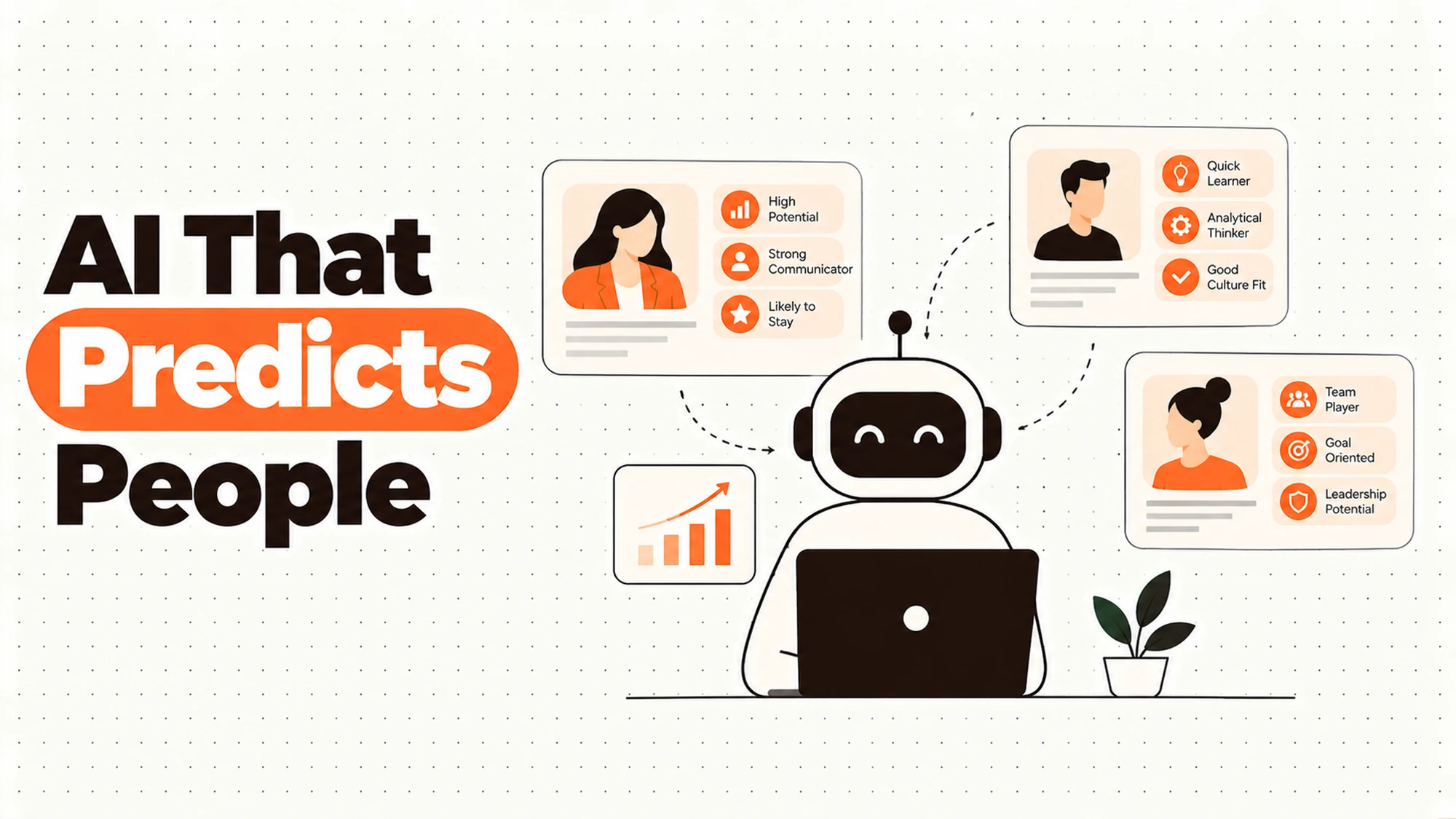
AI That Predicts People
A prediction is a claim about a population applied to one person. Six things teams predict, what the score is and is not, and how a forecast quietly makes
Operational playbooks, strategy frameworks, and AI-ready guidance for leaders building modern teams.

Explore a more focused slice of the newsroom, with each story designed to be useful in real teams and real decisions.
A prediction is a claim about a population applied to one person. Six things teams predict, what the score is and is not, and how a forecast quietly makes
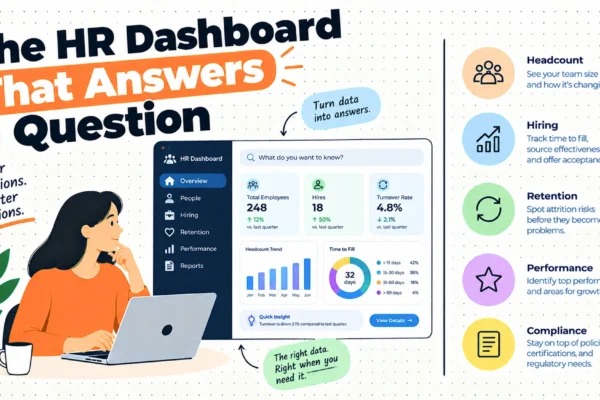
Two reports disagree because headcount, start date and leaver mean different things in different places, and nobody wrote the definitions down.
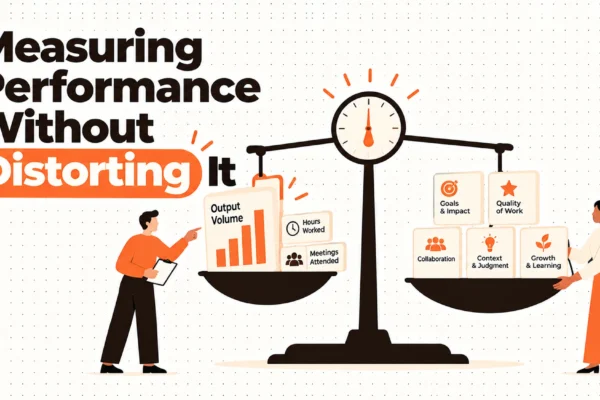
Every measure of an individual changes the work, because people optimise for what is counted and the counting is never the whole job.
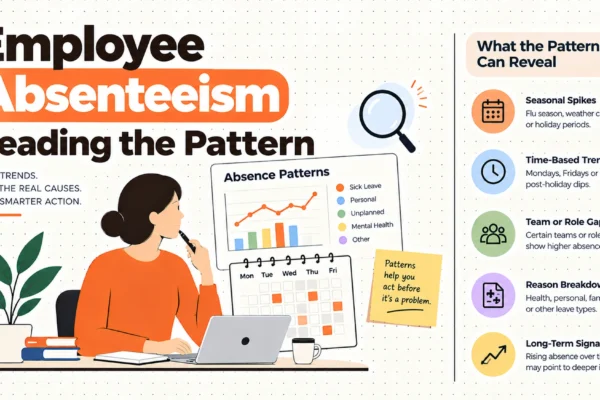
A rise in absence is almost never evenly distributed, so responding to the total means treating everybody for something happening in one place.
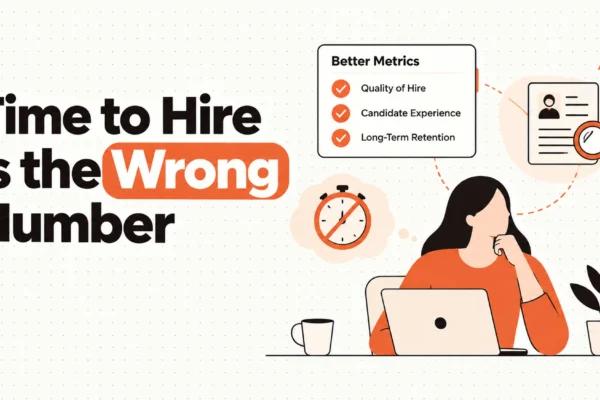
The cheapest way to improve time to hire is to lower the bar, which makes optimising it directly make hiring worse.
The test for a metric is whether a plausible change in its value would change what somebody does next week. Six metric families reviewed against that test
Exit data fails at the presentation, not the collection. Six ways to turn notes into something actionable, a taxonomy that survives a year, and how to report
One turnover figure averages two opposite outcomes. Five ways to make the call, a definition managers will apply consistently, and what only becomes possible
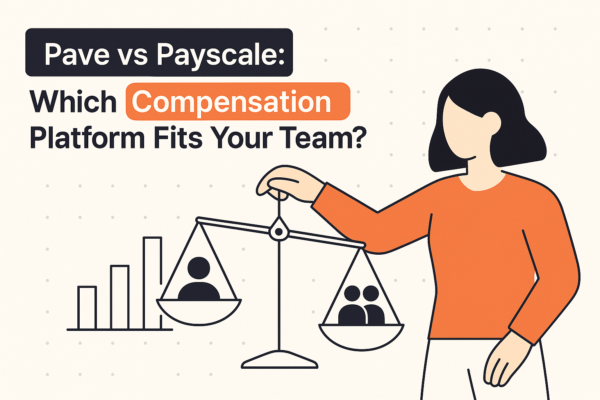
Pave vs Payscale for 2026 pay benchmarking. Pave starts near $7 per employee; Payscale averages around $27,000 a year on custom enterprise terms.
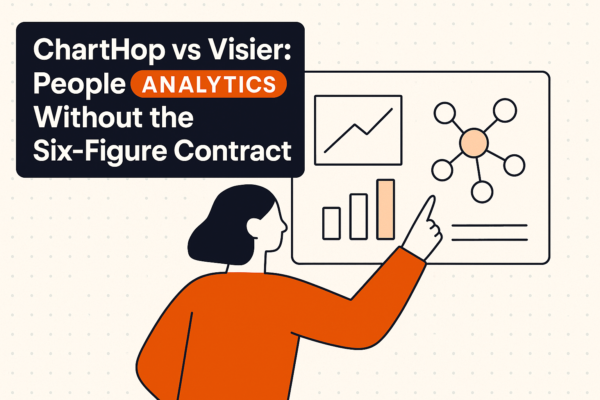
ChartHop vs Visier compared at 200, 500 and 1,000 employees, with published module pricing against quote-only six-figure annual contracts.
Tell us about your team and we'll match you with the right resources, tools, and guidance - at no cost.